Beta Edition
Tuesday, 09 Jun 2026
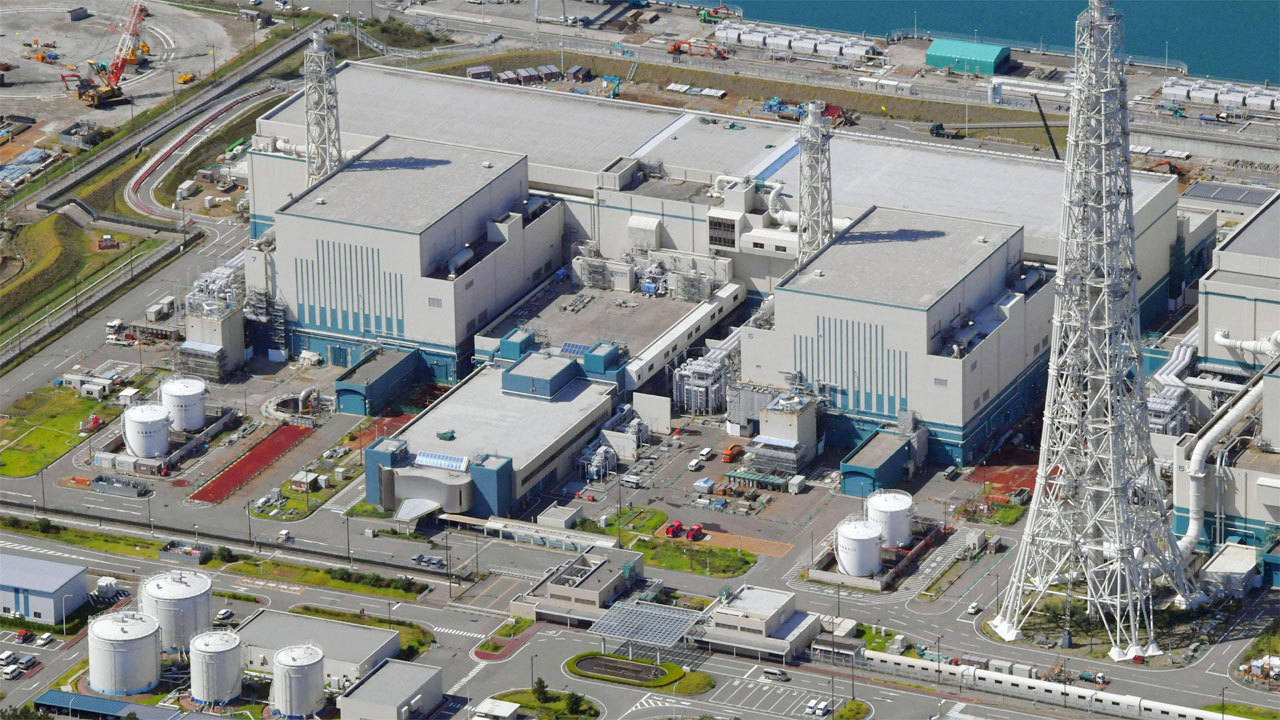
Japan is preparing to restart the world's largest nuclear power plant after 15 years of shutdown due to the Fukushima tragedy, Reuters reported, citing the country's state-owned power utility Tokyo Electric Power Company (Tepco).
Japan's Kashiwazaki-Kariwa is known as the world's largest nuclear power plant. Located in the port city of Niigata, 220 kilometers northeast of the capital Tokyo, this nuclear power plant covers an area of 4.2 million square meters or 420 hectares. There are a total of 7 nuclear reactors in this power plant, which have a combined power generation capacity of 8.2 megawatts. Tepco is responsible for the operation and maintenance of this nuclear power plant.
In 2011, a major earthquake and resulting tsunami destroyed a total of 54 reactors at various power plants, including the Fukushima Daiichi Nuclear Power Plant in Japan. These reactors included the reactors at the Kashiwazaki-Kariwa Power Plant.
The Fukushima Daiichi nuclear power plant was destroyed by an earthquake and tsunami, resulting in the release of radioactive waste into the environment. This disaster is known as the 'Fukushima tragedy'. After Chernobyl, Fukushima Daiichi is considered the second largest nuclear power plant disaster in history.
After the initial shock of the disaster had passed, experts who examined the damaged nuclear reactors reported that 33 of the 54 reactors could be repaired and made operational again. The 33 reactors, including the reactors at the Kashiwazaki-Kariwa power plant, were also included.
Tepco officials said that 14 of the 33 reactors have already started production. This number will increase to 21 when the reactors at the Kashiwazaki-Kariwa plant come online.
Japan is heavily dependent on nuclear power plants and is against burning fossil fuels (coal, oil) in principle. Until the Fukushima tragedy, 60 to 70 percent of the country's total electricity demand came from nuclear power plants.