Beta Edition
Thursday, 25 Jun 2026
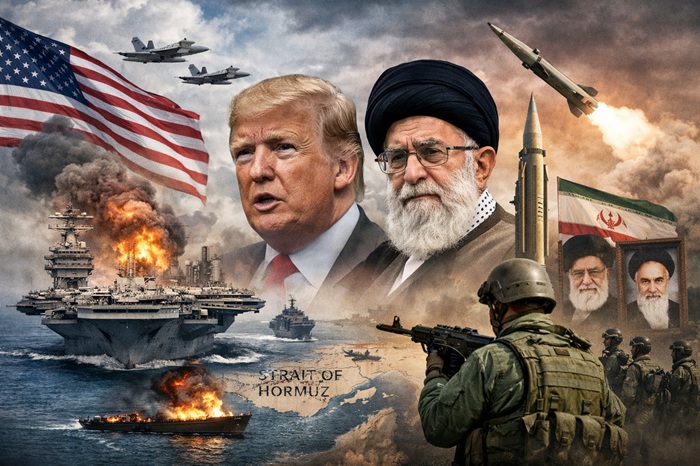
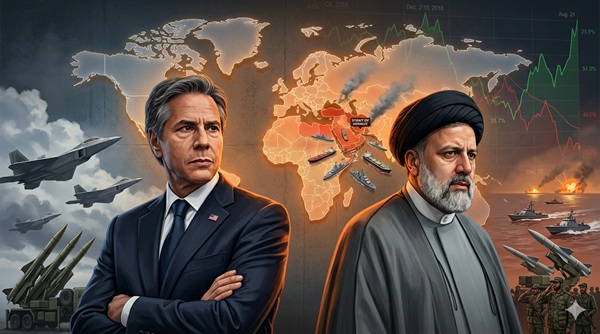
Amid a rapidly intensifying military buildup and mounting diplomatic strain in the Middle East, tensions between the United States and Iran have triggered renewed global concern.
Washington has deployed warships, fighter jets, and aircraft carriers near Iranian waters, signaling preparations for a possible military operation. Tehran, in turn, has warned of retaliation. International analysts caution that the crisis could extend far beyond the two countries, potentially impacting global energy markets and regional security.
Military Preparations Intensify
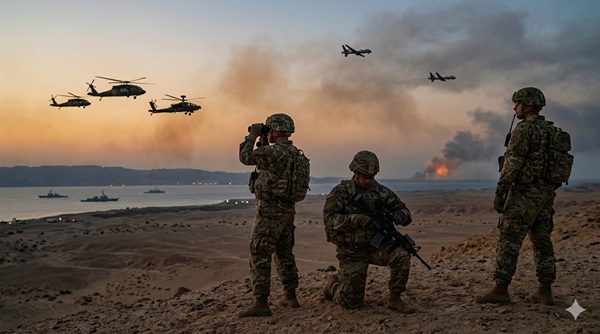
According to multiple international media reports, the United States has significantly strengthened its military posture in the region. Two aircraft carriers, additional warships, fighter jets, and support aircraft have reportedly been deployed.
Among them, the USS Abraham Lincoln has been positioned near Iranian waters, while the USS Gerald R. Ford was spotted in the Strait of Gibraltar and is believed to be heading toward the Middle East.
British outlet BBC reported that the US presence has moved beyond symbolic signaling and now resembles active war preparation.
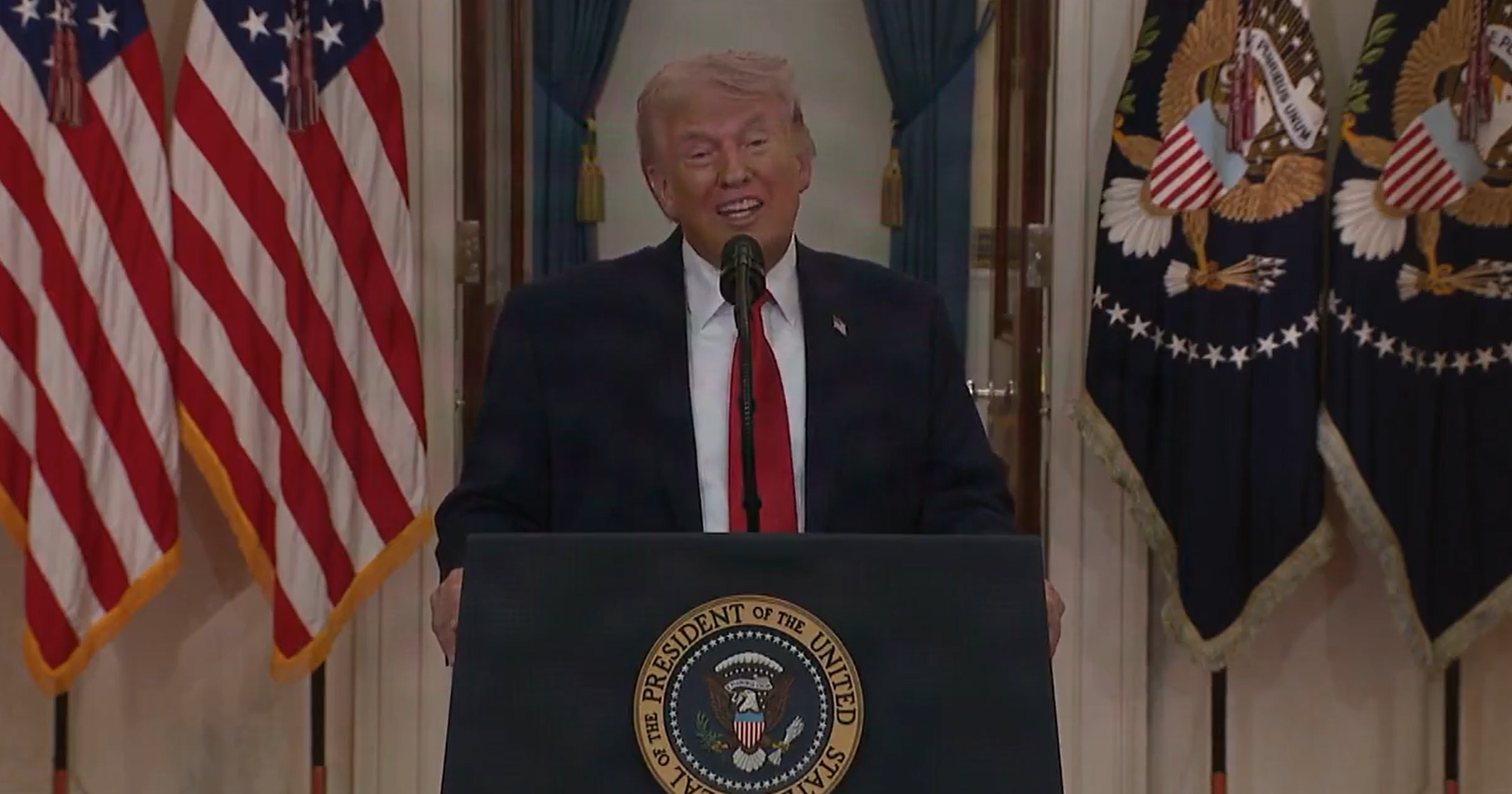
On Thursday, President Donald Trump warned that if a “significant deal” is not reached within the next 10 days, a tough response would follow. Several administration and Pentagon officials have indicated that military preparations are at a stage where action could begin at short notice.
However, diplomatic talks are reportedly still ongoing.
Iran’s Response
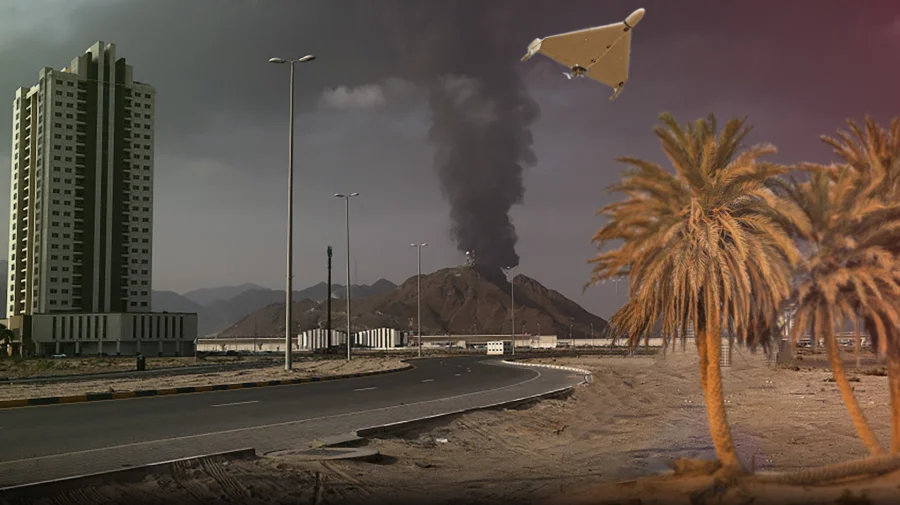
Iran has responded with firm warnings. In a letter to UN Secretary-General António Guterres, Tehran’s permanent representative stated that any attack on Iran would be met with retaliation against US bases and infrastructure across the Middle East.
Iran maintains that it does not seek war, but officials have made clear that any aggression would be answered.
Why Iran Appears Defiant
Analysts note that Tehran views US demands not as negotiation terms but as conditions tantamount to surrender.
Washington has reportedly called for:
1. A halt to uranium enrichment
2. Restrictions on ballistic missile capabilities
3. An end to support for regional armed groups
4. Broader changes in the Islamic Republic’s domestic and foreign behavior
For Iranian leaders, these elements form the backbone of their national security doctrine.
Over decades, Iran has built what it calls the “Axis of Resistance,” supporting groups such as Hezbollah, the Houthis, and Hamas to project influence beyond its borders and deter adversaries, particularly Israel.
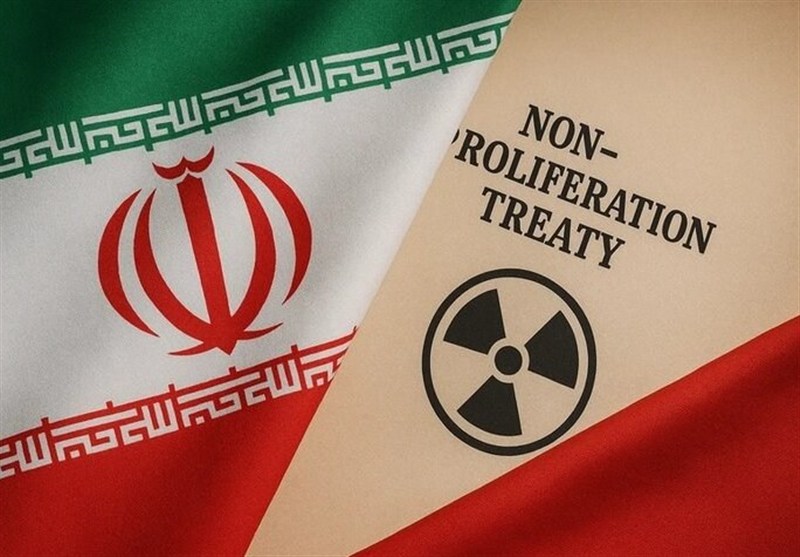
Iran’s ballistic missile program compensates for weaknesses in its aging air force. Meanwhile, although Tehran insists its nuclear program is peaceful, analysts argue that it has developed what is known as a “threshold capability” — the technical capacity to rapidly move toward weaponization if a political decision is made.
From Tehran’s perspective, dismantling these capabilities would undermine its deterrence strategy.
Supreme Leader Ali Khamenei has suggested that accepting US demands could be more dangerous than war itself.
Russia’s Position
Iran maintains a strategic partnership with Russia, though it does not include mutual defense commitments.
A Russian naval vessel recently conducted joint exercises with Iran in the Gulf of Oman. Kremlin spokesperson Dmitry Peskov called for restraint from all sides, urging that political and diplomatic channels remain the priority.
Russian Foreign Minister Sergey Lavrov warned that any new US strike on Iran could have serious consequences, describing the situation as “playing with fire.”
What Could Happen Next?
On paper, the United States appears to hold overwhelming military superiority. But analysts warn that conflict dynamics rarely unfold according to initial plans.
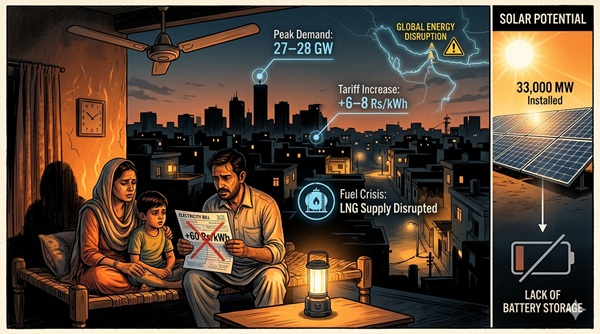
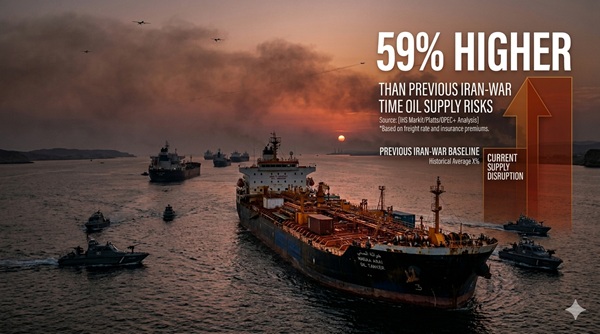
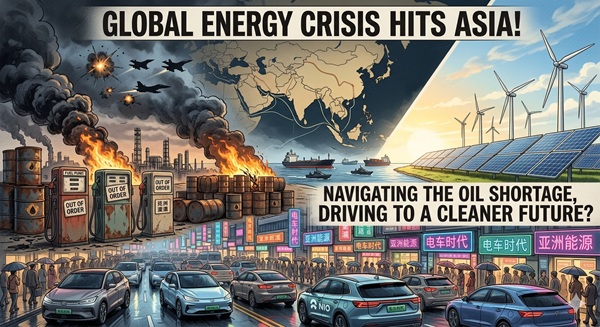
A US strike could provoke Iranian retaliation targeting American bases, regional allies, or key chokepoints such as the Strait of Hormuz — through which roughly 20% of the world’s oil supply passes. Any disruption there would send shockwaves through global markets.
Speculation also surrounds the possibility of targeting Iran’s top leadership. The assassination of Supreme Leader Khamenei could destabilize the country’s political system, potentially weakening the Islamic Revolutionary Guard Corps (IRGC). However, such a scenario could also trigger internal unrest or create a dangerous power vacuum.
Iran’s economy, already strained by sanctions and inflation, would face additional stress if oil exports or infrastructure were disrupted. Public dissatisfaction — previously suppressed — could resurface.
At the same time, Washington faces its own risks. Military action may achieve tactical objectives, but miscalculations, escalation, or unintended consequences could reshape the conflict.
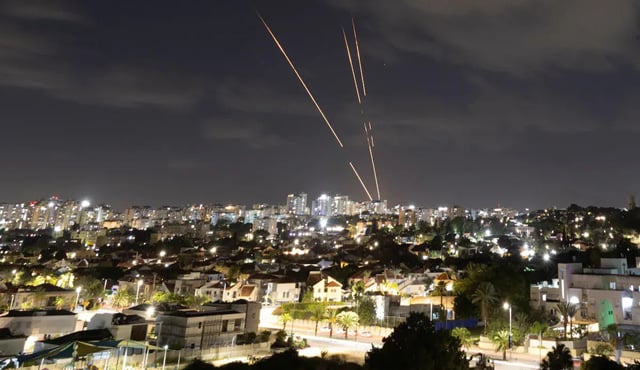
Recent clashes between Iran and Israel exposed weaknesses in Iran’s military infrastructure but also demonstrated its ability to adapt under pressure.
Ultimately, a broader conflict could produce outcomes neither side initially intended.
As tensions rise, the space for compromise narrows. The coming days may prove critical — not only for US–Iran relations, but for the stability of the entire region and the global economy.