Beta Edition
Monday, 08 Jun 2026
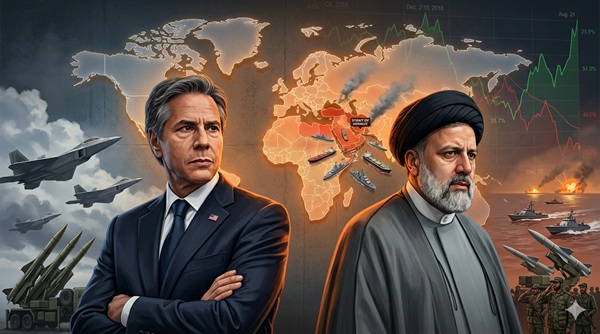
As tensions between the United States and Iran reached a critical point this week, both sides have emerged from a fragile ceasefire claiming victory. Yet analysts argue that the true outcome remains uncertain—and may carry long-term geopolitical consequences far beyond the battlefield.
A Crisis Averted at the Last Minute
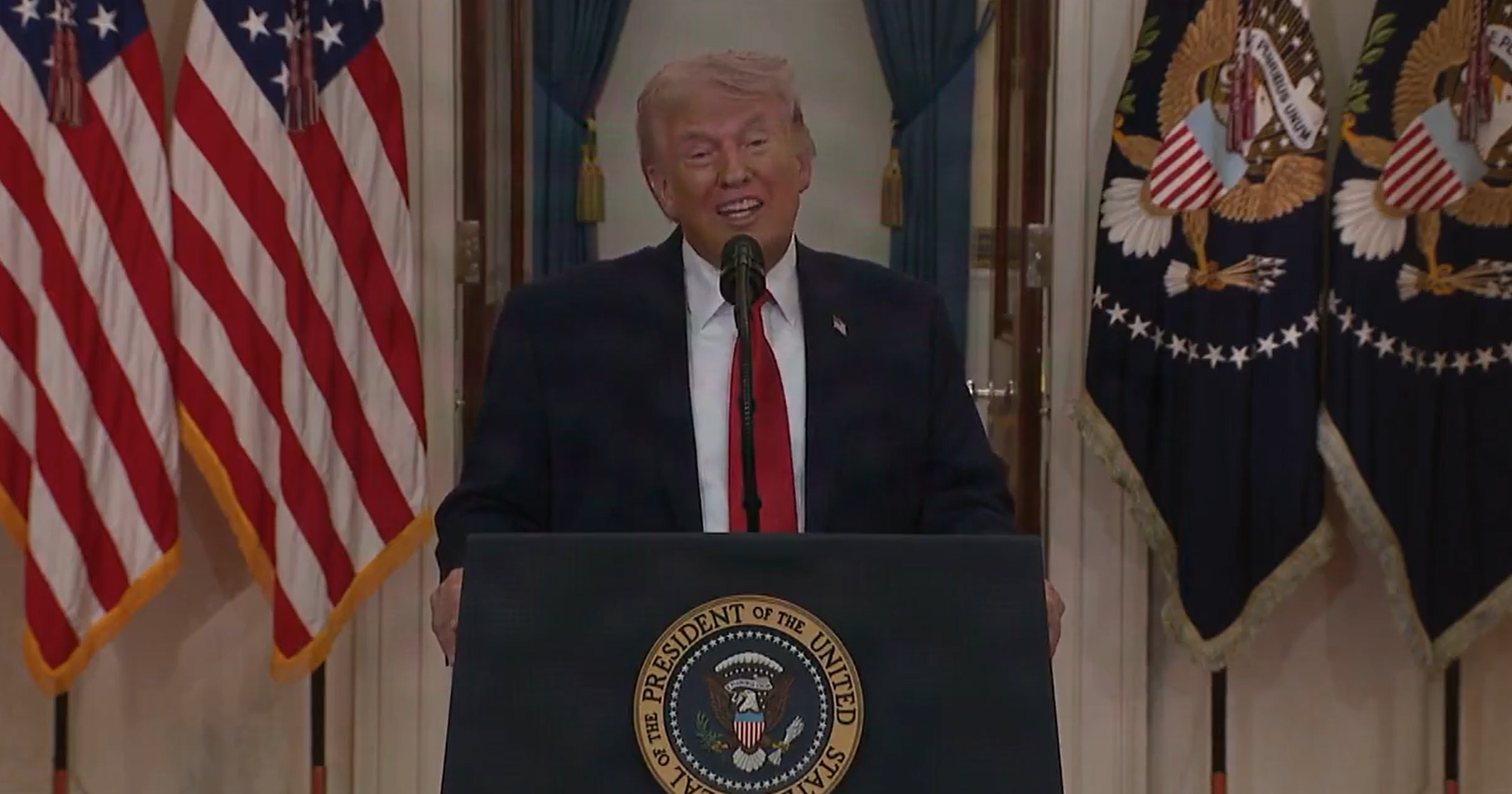
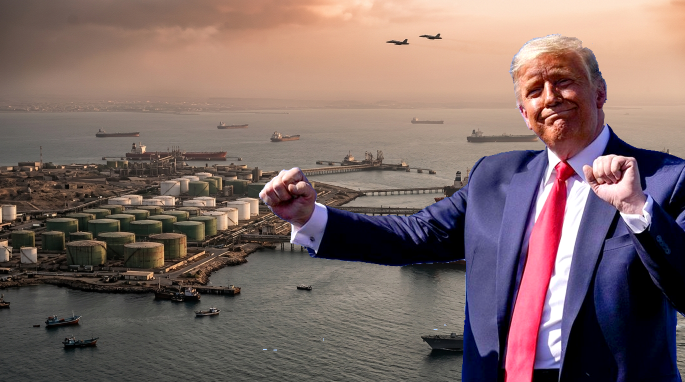
In the hours leading up to a self-imposed deadline, U.S. President Donald Trump issued stark warnings, suggesting that Iran faced imminent devastation. However, just 90 minutes before the deadline expired, Washington announced a two-week ceasefire, a move later confirmed by Tehran.
The agreement reportedly hinges on Iran reopening the Strait of Hormuz—one of the world’s most critical oil shipping routes—under conditions ensuring safe international navigation.
From Escalation to De-escalation
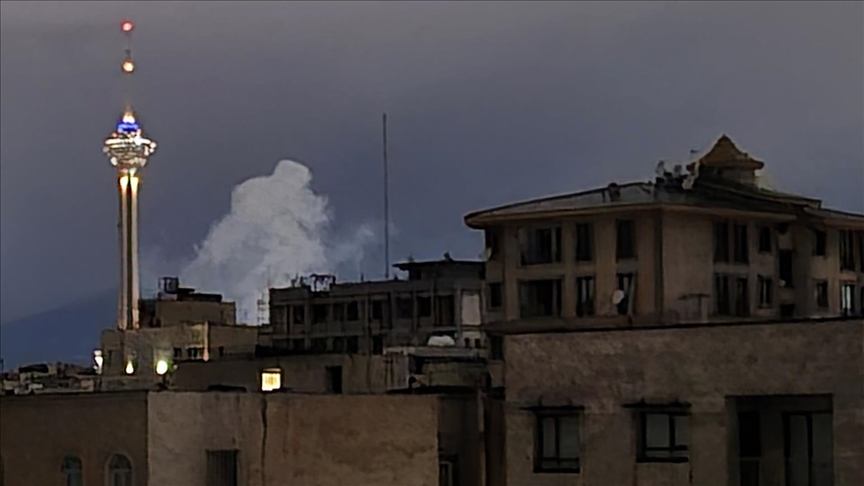
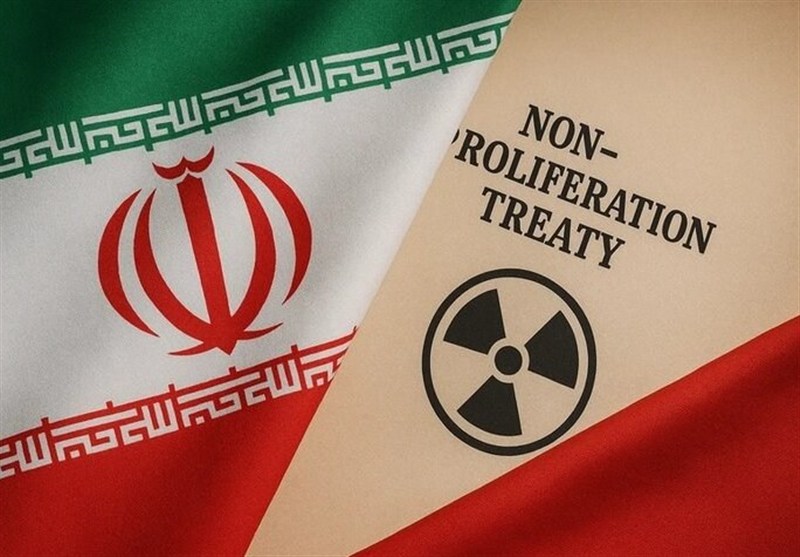
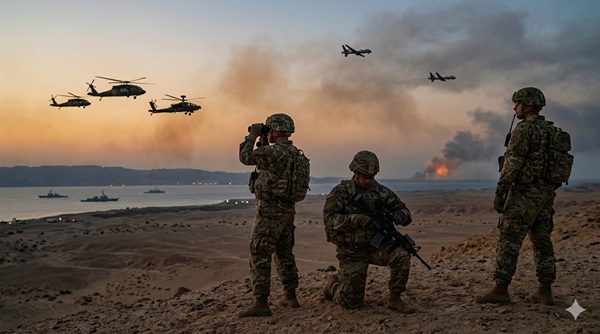
The conflict began on February 28, when the United States launched strikes on Iranian targets amid ongoing nuclear negotiations. Early in the conflict, Iran’s air defenses struggled to counter U.S. and allied attacks, resulting in significant casualties, including senior leadership figures.
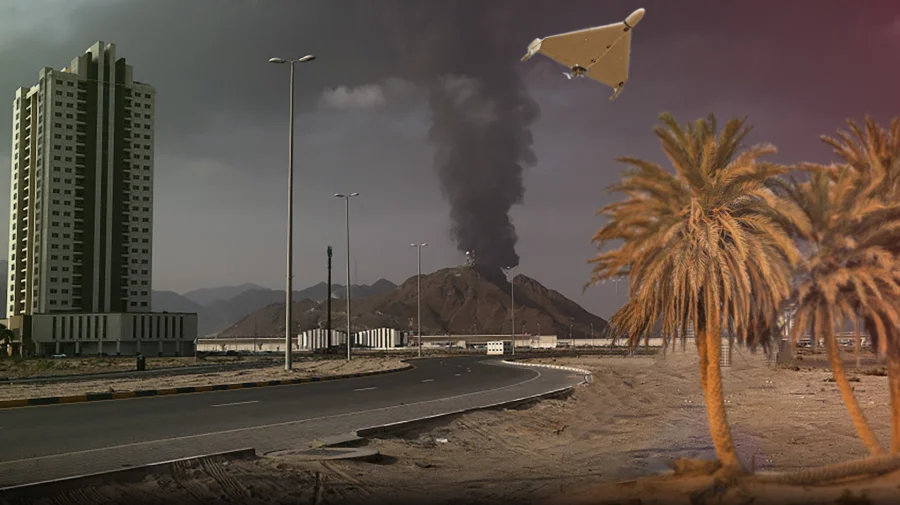
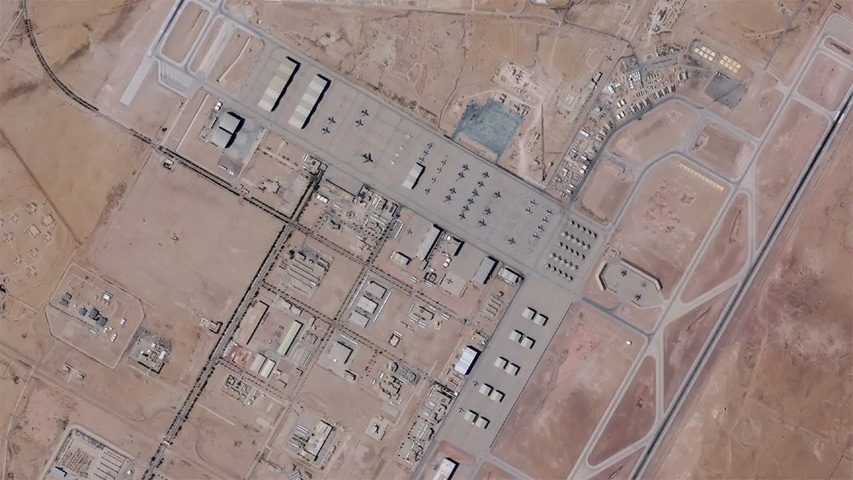
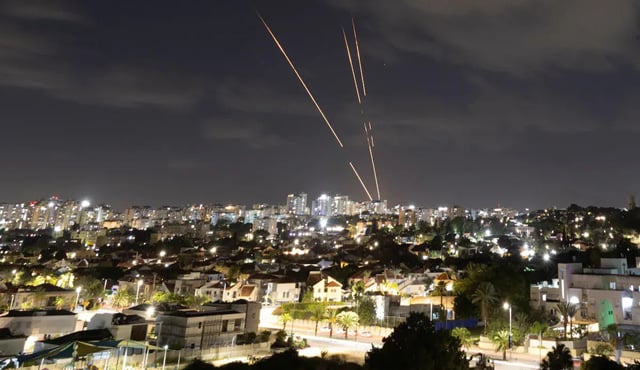
However, Iran quickly adapted its strategy. Instead of direct retaliation, it expanded the conflict regionally, targeting U.S. interests and allied bases across the Middle East, including in Saudi Arabia and Qatar. These actions increased pressure on Washington and its allies.
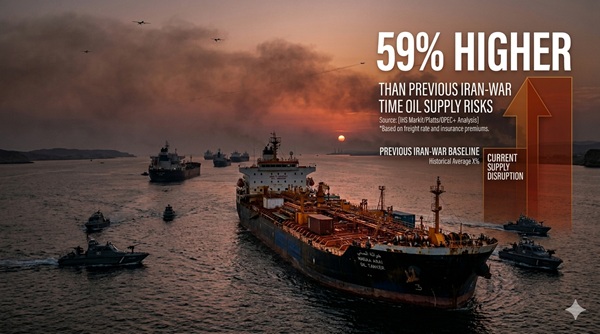
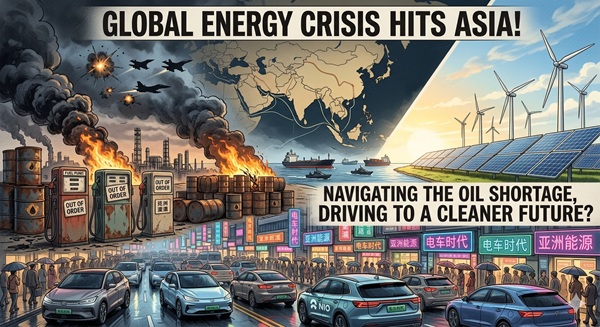
Perhaps most significantly, Iran disrupted global oil flows by effectively closing the Strait of Hormuz. This move triggered spikes in oil prices and shook global markets, amplifying international pressure on the United States.
Strategic Leverage and Global Impact
Analysts suggest that Iran’s control over the Strait of Hormuz provided it with a decisive strategic advantage. While the U.S. demonstrated overwhelming military capability, Iran’s asymmetric tactics and economic leverage complicated Washington’s position.
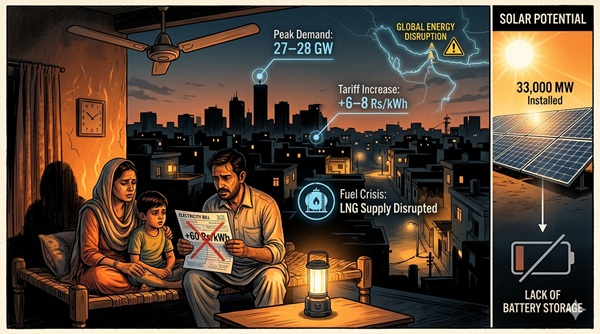
The resulting global economic strain—rising fuel costs, market instability, and supply chain disruptions—may have forced the U.S. into accepting a ceasefire sooner than anticipated.
Competing Narratives of Victory
The Trump administration has framed the ceasefire as a success, emphasizing that key objectives—such as reopening the Strait and advancing nuclear oversight—have been achieved.
Meanwhile, Iran has declared a “major victory,” asserting that it resisted U.S. pressure, maintained its strategic position, and compelled Washington to negotiate under its terms.
What Analysts Say
Experts caution against declaring a clear winner at this stage.
Some argue that the U.S. demonstrated its willingness to escalate rapidly, reinforcing its military dominance. Others highlight Iran’s ability to withstand pressure and shift the conflict into domains where it holds leverage.
Daniel Byman of the Center for Strategic and International Studies notes that assessing victory is difficult because each side entered the conflict with different objectives. He also points out that the broader economic and diplomatic costs may weigh more heavily on the United States.
Political and Economic Fallout
Beyond the battlefield, the consequences may be far-reaching. Analysts warn that many countries could blame the U.S. for the resulting economic instability, fueling anti-American sentiment globally.
This could complicate Washington’s efforts to build alliances, particularly in its strategic competition with China and Russia.
What Comes Next?
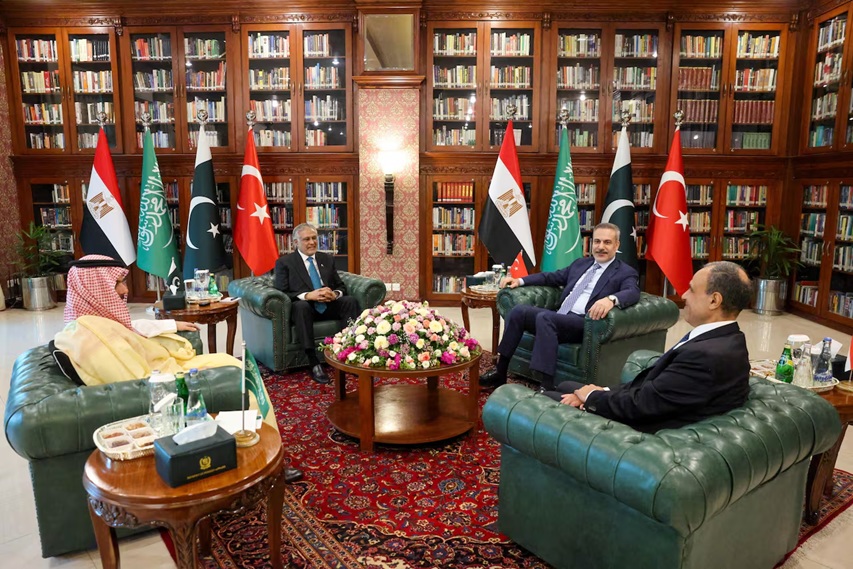
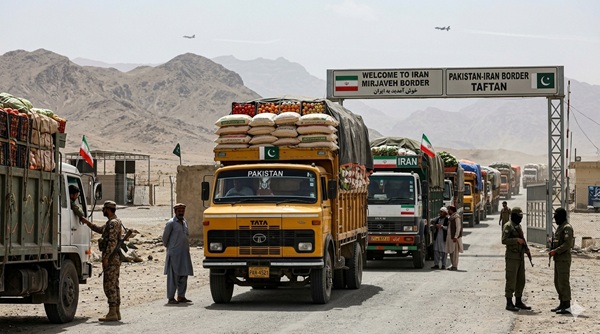
Pakistan has emerged as a key mediator, with talks scheduled in Islamabad aimed at reaching a longer-term agreement. The coming two weeks will be critical in determining whether the ceasefire holds—or whether tensions escalate once again.
For now, the world watches closely. While both Washington and Tehran claim success, the real outcome of this confrontation will likely be measured not in immediate gains, but in its lasting geopolitical and economic repercussions.