Beta Edition
Tuesday, 23 Jun 2026
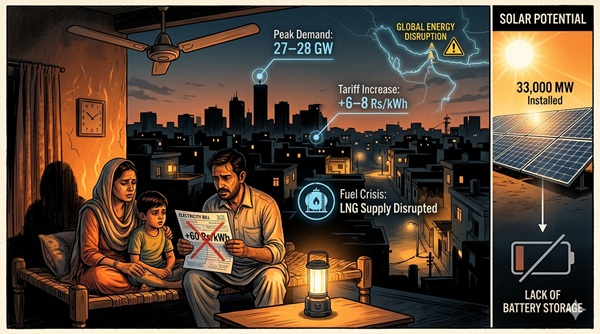
As summer nears, the government is finalising a plan to manage rising electricity demand through scheduled outages, mandatory conservation measures, and higher tariffs. The move comes amid a worsening fuel shortage driven by a complete disruption of LNG supplies, limited coal output from Thar, and the high cost of alternatives such as furnace oil and imported coal. With peak demand expected to reach 27–28GW, officials say daily power cuts and higher electricity bills are inevitable.
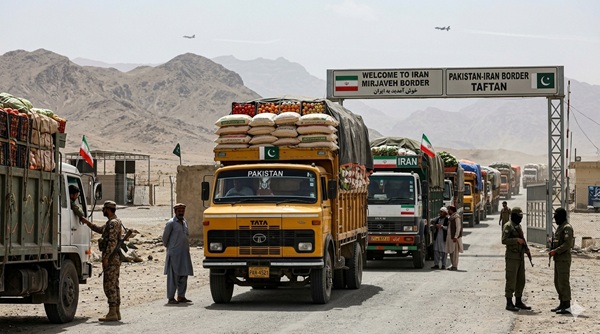
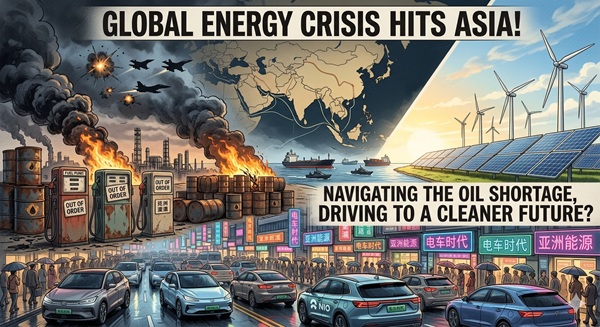
Pakistan’s energy crisis, intensified by the ongoing conflict involving the US, Israel, and Iran, stems largely from two shocks: the halt in LNG imports—particularly from Qatar—and rising global prices of fossil fuels like oil and coal. While the reduced use of gas-fired power plants is already evident, the full economic impact is yet to be felt.
According to energy expert Dr Khalid Waleed of the Sustainable Development Policy Institute, a prolonged disruption in the Strait of Hormuz could significantly reduce RLNG-based electricity generation. He warned that higher fuel costs and capacity charges could push electricity tariffs up sharply, with average household rates potentially exceeding Rs55–60 per unit.
The government is now grappling with two key challenges: how to fill the power generation gap caused by the LNG shortage, and how to keep electricity affordable despite rising global fuel prices. Its strategy includes increasing reliance on domestic gas and local coal, expanding imported coal usage, and using oil-based generation in emergencies.
However, experts remain cautious. Manzoor Ahmed of the Policy Research Institute for Equitable Development argues that while domestic resources may offer short-term relief, increased reliance on imported coal and oil is not sustainable given Pakistan’s fragile financial position and volatile global markets.
He also noted that LNG-based generation may not recover soon, as Qatar could take years to fully restore disrupted supplies. Meanwhile, domestic gas production remains insufficient, meeting less than 70% of demand, and diverting it to power generation could disrupt fertiliser production, harming agriculture.
Coal, another alternative, faces its own challenges. Supply constraints, infrastructure delays—particularly in transporting coal from Thar—and weak investor interest limit its potential. Additionally, global coal prices have already risen sharply due to the ongoing conflict, with further increases expected as major economies delay the retirement of coal plants.
Amid these constraints, experts point to solar energy as the most viable long-term solution. Over the past decade, Pakistan has witnessed a surge in solar adoption, driven largely by affordable technology from China. Millions of households and businesses have turned to solar power to offset high electricity costs and unreliable grid supply.
This rapid expansion has helped reduce dependence on imported fuels and shield consumers from immediate price shocks. However, it has also exposed a major limitation: solar energy only meets daytime demand. At night—especially during peak summer hours—electricity demand surges while solar output drops to zero due to the lack of battery storage systems.
Experts warn that without investment in battery storage, the country could face severe night-time load-shedding, even with widespread solar adoption. They emphasise the need for policy support, including tax relief on battery imports and incentives for low-income households to adopt solar systems.
Despite challenges, analysts say Pakistan’s solar boom has already saved billions in fuel imports and strengthened energy security. Accelerating this transition—particularly by integrating storage solutions—could provide a more stable and sustainable path forward as the country navigates its ongoing energy crisis.