Beta Edition
Tuesday, 23 Jun 2026
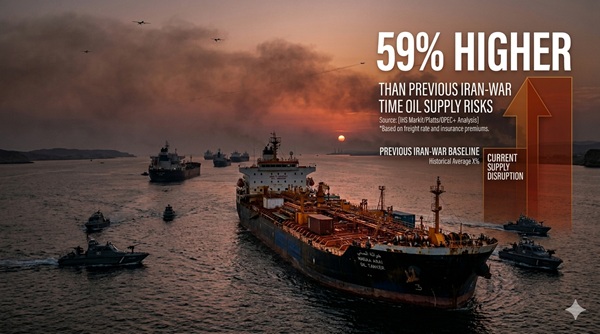
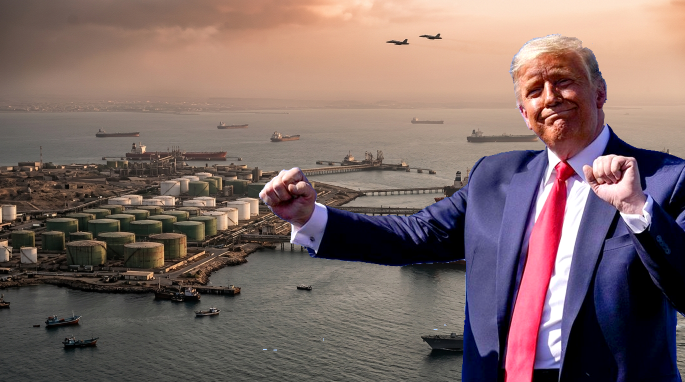
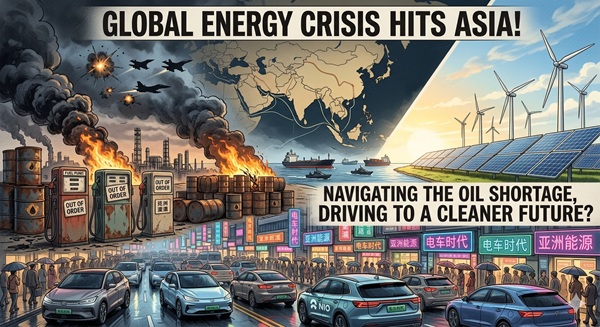
Global crude oil prices have surged by a record 59% within a month amid the ongoing Iran-US-Israel conflict and Tehran’s blockade of the Strait of Hormuz, market analysts said.
According to analysts cited by Reuters, this marks the sharpest increase in such a short period since the 1990 Gulf War. They noted that the spike is not driven by an actual shortage of oil, but rather by disruptions and irregularities in supply from the Middle East.
The Strait of Hormuz, a కీల route connecting the Arabian Sea and the Persian Gulf, handles nearly 20% of global oil and liquefied gas shipments daily. Often referred to as the “gateway of global energy,” it is a crucial export route for major oil-producing countries including Saudi Arabia, Kuwait, the United Arab Emirates, and Iraq.
Since the conflict began on February 28, Iran has imposed restrictions on the passage of vessels through the strait. The Islamic Revolutionary Guard Corps (IRGC) has stated that ships linked to the United States, Israel, and their allies would not be allowed to pass as long as the war continues.
The move has severely impacted oil-rich Gulf nations such as Saudi Arabia, Qatar, Kuwait, the UAE, Bahrain, and Oman, many of which host US military bases. As a result, oil shipments through the strait have been significantly disrupted, affecting global supply chains.
Saudi Arabia, one of the world’s largest oil exporters, has reportedly halted shipments through the Strait of Hormuz and is instead using its Yanbu port on the Red Sea. Data from market analytics firm Kpler shows that around 4.65 million barrels of oil per day were exported from Yanbu over the past week.
JPMorgan analyst Natasha Kaneva told Reuters that risks to oil shipping, initially concentrated in the Persian Gulf and Strait of Hormuz, are now spreading to the Red Sea and the Bab al-Mandeb Strait. She warned that further escalation could lead to greater instability in global energy markets.