Beta Edition
Tuesday, 23 Jun 2026
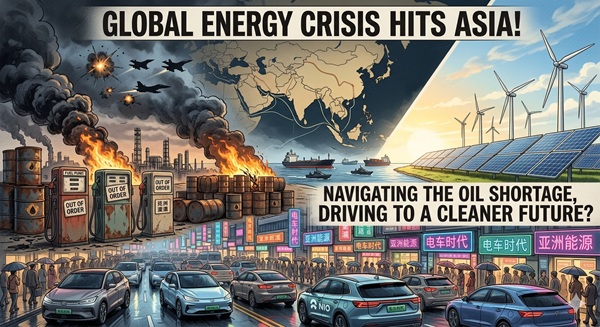
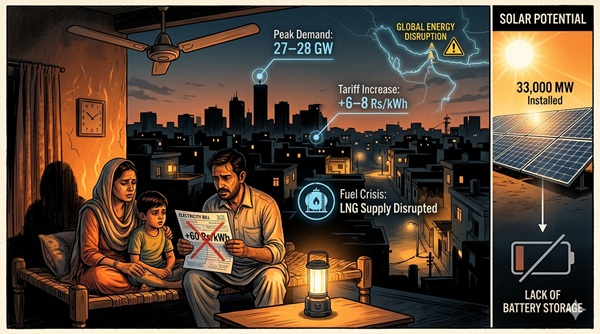
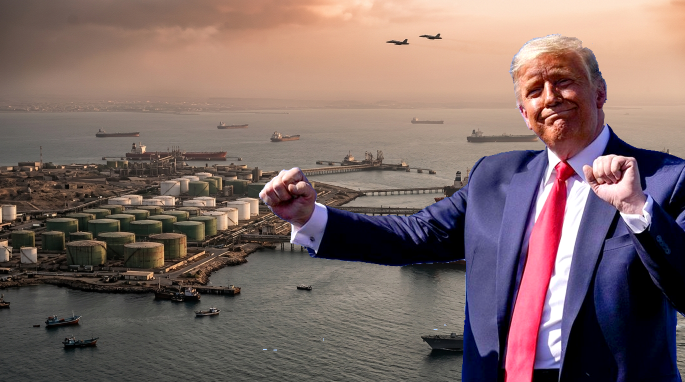
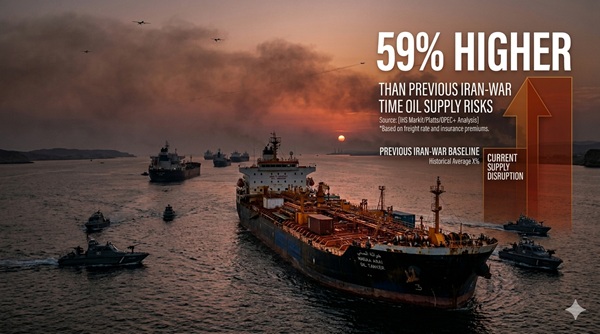
As the world grapples with one of the largest energy crises in history, China is eyeing Asia as a key market to expand its electric vehicle (EV) industry. The ongoing conflict involving the United States, Israel, and Iran has disrupted global energy supplies, pushing crude oil prices higher and raising fears of inflation and a potential global recession.
China already leads the world in producing affordable electric vehicles, thanks to strong government support. However, intense competition in its domestic market and overproduction have slowed growth, forcing manufacturers to seek opportunities abroad.
With fuel prices rising globally, Chinese EV makers are reducing prices at home to stay competitive while simultaneously targeting international markets—particularly in Asia, where many countries are facing acute energy shortages.
Analysts say this situation could accelerate the global expansion of the EV industry. Countries in Asia that rely heavily on imported fuel are likely to become major markets for Chinese brands.
According to industry experts, rising petrol prices have created a strategic opportunity for Chinese automakers to penetrate large Asian markets. Nearly 60 percent of Asia’s crude oil supply comes from the Middle East, much of it passing through the Strait of Hormuz—where tensions and disruptions have intensified due to Iran.
A recent report by energy think tank Ember describes electric vehicles as one of the most effective tools for reducing import costs. It estimates that EV usage reduced global oil demand by 1.7 million barrels per day last year—equivalent to about 70 percent of Iran’s total oil exports in 2025.
The trend mirrors developments during the Russia-Ukraine war, when European countries increased investment in renewable energy. Analysts believe the current crisis could similarly become a turning point for clean energy adoption in Asia.
Experts argue that repeated fuel price shocks are pushing consumers away from petrol-powered vehicles toward more stable alternatives like EVs. China itself imports over 40 percent of its oil from the Middle East but has mitigated risks by investing heavily in renewable energy, including becoming the global leader in solar power generation.
Electric vehicles now account for nearly 50 percent of new car sales in China, reducing the country’s oil consumption by around 10 percent last year.
Chinese policymakers are also expected to accelerate their clean energy goals, including peaking carbon emissions by 2030 and achieving carbon neutrality by 2060. Analysts emphasize that reliance on imported fossil fuels is not only an environmental issue but also a national security concern.
Challenges Within the EV Industry
Despite global opportunities, China’s EV sector faces significant internal challenges. Government support has helped the country dominate the affordable EV market, but it has also intensified competition among domestic manufacturers.
Due to overcapacity, many companies are struggling to survive. Consultancy firm AlixPartners estimates that only 15 out of 129 Chinese EV brands operating in 2024 will remain financially viable by 2030.
While rising oil prices may boost domestic demand slightly, experts believe this will not be enough to resolve the oversupply issue. Expanding into foreign markets remains essential.
The situation differs in the United States, where high tariffs—introduced under Donald Trump—continue to limit the entry of Chinese EVs in order to protect local manufacturers.
In contrast, Asian countries are increasingly seeking ways to reduce energy consumption amid dwindling fuel supplies. Nations such as Thailand, the Philippines, and Vietnam have introduced measures like remote work policies and energy-saving campaigns.
Vietnamese EV manufacturer VinFast has already begun offering discounts on electric cars and motorbikes following recent geopolitical tensions.
Energy analysts note that Chinese EVs have a competitive advantage in most Asian markets due to their affordability and advanced battery technology. With rising fuel price volatility and strong policy support, the EV market in Asia is expected to grow rapidly in the coming years.